
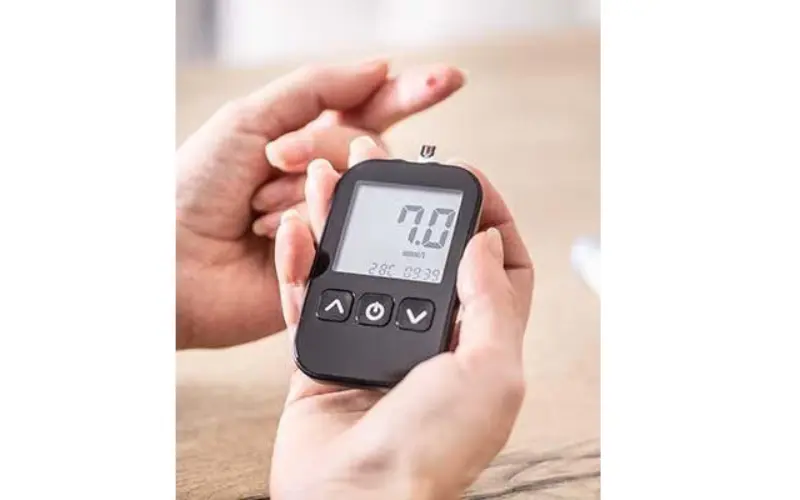
The most common early signs of type 2 diabetes in adults include increased thirst, frequent urination (especially at night), unexplained fatigue, blurred vision, and slow-healing cuts. Because these symptoms develop gradually over months or years, nearly 1 in 4 people who have type 2 diabetes don’t even know they have it, according to the CDC.
The tricky thing about type 2 diabetes is that it doesn’t announce itself with a dramatic moment. There’s no sudden pain, no obvious emergency. Instead, it sneaks in slowly — a little more thirst here, a little more tiredness there. Most people brush off these changes as stress, aging, or poor sleep.
That’s exactly why this guide exists. If you’re noticing small changes in how your body feels, read through this carefully. Catching type 2 diabetes early — in the prediabetes stage — can make all the difference between managing it with simple lifestyle changes or needing medication for the rest of your life.
Here at Diabetes Daily Guide, we break down exactly what to look for and when it’s time to call your doctor.
Why Do Early Symptoms Get Ignored So Often?
Here’s the honest truth: most early diabetes symptoms feel completely ordinary.
You’re thirsty more than usual — so you drink more water, which seems like a healthy habit. You’re tired — so you assume you’re not sleeping well or working too hard. You’re urinating more often — so you blame the extra water you’ve been drinking.
It’s a cycle that masks itself perfectly. The CDC estimates that over 8.5 million Americans are living with undiagnosed diabetes right now. Not because they never noticed anything wrong, but because the signs didn’t feel serious enough to see a doctor.
If even one or two of the symptoms in this guide sound familiar, it’s worth getting your blood sugar checked. A simple blood test is all it takes.
10 Early Signs of Type 2 Diabetes in Adults
1. Excessive Thirst (Polydipsia)
This isn’t about feeling a little parched on a hot day. This is the kind of thirst where you drink a full glass of water and still feel like your mouth is dry. You wake up in the middle of the night specifically because your throat feels parched.
Why it happens: When your blood sugar is high, your kidneys try to flush out the excess glucose through urine. This process pulls fluid from your tissues, including your mouth, leaving you dehydrated no matter how much you drink.
2. Frequent Urination (Polyuria)
Going to the bathroom 8, 10, or even 12 times a day — and waking up multiple times at night to go. This is often the symptom that bothers people the most because it directly disrupts sleep.
Why it happens: Your kidneys are working overtime to filter out excess sugar. More sugar in your blood means more urine production. And the more you drink to satisfy that excessive thirst, the more you need to urinate. It’s a loop.
3. Unexplained Fatigue
Not the normal tiredness after a long day. This is a deep, heavy exhaustion that doesn’t go away after a full night’s sleep. You wake up feeling like you barely rested. You struggle to get through the afternoon without wanting to lie down.
Why it happens: Your cells aren’t getting enough glucose for energy, even though there’s plenty of it in your blood. Insulin resistance means the sugar can’t enter your cells efficiently, so your body literally runs low on fuel at the cellular level.
4. Blurred Vision
Everything looks slightly hazy or out of focus, especially after meals. It might come and go — clear in the morning, blurry by afternoon.
Why it happens: High blood sugar causes the lens inside your eye to swell. This changes how light passes through, making your vision blurry. Unlike age-related vision changes, this blurriness can improve once blood sugar is brought under control.
5. Slow-Healing Cuts and Wounds
A small scratch on your arm that normally would heal in a few days is still there after two weeks. A minor bruise seems to linger. Cuts feel like they take forever to close up.
Why it happens: High blood sugar damages blood vessels and reduces circulation, especially in your extremities. It also weakens your immune system’s ability to respond to injuries. This is the same reason why people with uncontrolled diabetes are more prone to infections.
6. Tingling or Numbness in Hands and Feet
A pins-and-needles sensation in your fingers or toes. Or a numb spot that doesn’t seem to go away. Some people describe it as a “stocking” feeling — like they’re wearing invisible socks even though they’re barefoot.
Why it happens: This is called diabetic neuropathy, and it’s caused by prolonged high blood sugar damaging the nerves in your extremities. This symptom often indicates that blood sugar has been elevated for some time — it’s one of the later “early” signs. If you have this, it’s especially important to read our guide on [diabetic neuropathy symptoms].
7. Darkened Skin Patches (Acanthosis Nigricans)
Dark, velvety patches of skin, usually appearing on the back of the neck, in the armpits, or in the groin area. The skin feels slightly thicker than the surrounding area.
Why it happens: This is a visible sign of insulin resistance. High insulin levels stimulate skin cells to grow rapidly, causing the darkened, thickened patches. This symptom can appear even before blood sugar crosses into the diabetes range — it’s often one of the very first physical signs.
8. Increased Hunger (Polyphagia)
You eat a full meal and feel completely satisfied — then an hour or two later, you’re hungry again. Not snacky, but genuinely hungry like you haven’t eaten in hours.
Why it happens: Your cells are starving for energy because insulin resistance is preventing glucose from entering them. Your brain receives the signal that your cells need fuel, so it triggers hunger — even though there’s plenty of glucose sitting in your bloodstream unable to get where it needs to go.
9. Unexplained Weight Loss
Losing weight without trying — your clothes fit looser, the scale shows a drop, but you haven’t changed your eating or exercise habits. This might sound like a positive thing, but in the context of diabetes, it’s not.
Why it happens: When your cells can’t use glucose for energy, your body starts burning fat and muscle tissue instead. Your kidneys are also working hard to flush out excess sugar, and that process burns calories. Unintentional weight loss is a red flag that should be checked immediately.
10. Frequent Infections
Getting yeast infections more often than usual. Or noticing more urinary tract infections. Colds and minor illnesses seem to hit you harder and take longer to shake off.
Why it happens: High blood sugar weakens the immune system and creates an environment where bacteria and yeast thrive. Yeast, in particular, feeds on sugar — and when there’s excess sugar in your blood and urine, infections become more frequent and harder to clear up.
How Quickly Do These Symptoms Appear?
Unlike type 1 diabetes, which tends to develop rapidly over weeks, type 2 diabetes symptoms develop slowly — often over months or even years. Most adults don’t notice a single “starting point.” Instead, they look back months later and realize they’ve been feeling “off” for quite some time.
A common pattern looks like this:
- Months 1–3: Slightly more thirsty, slightly more tired
- Months 3–6: Waking up at night to urinate, blurred vision starts
- Months 6–12: Cuts take longer to heal, maybe some tingling in feet
- Month 12+: Skin darkening noticed, frequent infections, significant fatigue
The earlier you recognize this pattern, the easier it is to intervene. If you want to understand exactly how doctors confirm these symptoms, read our guide on how the [A1C test works] and what it means.
Who Is at Higher Risk for Type 2 Diabetes?
Knowing the symptoms matters most if you’re in a higher-risk group. You have an increased risk if you:
- Are 45 years or older (though diagnoses in 30s and 40s are rising fast)
- Have a body mass index (BMI) of 25 or higher
- Carry excess weight, especially around your belly or abdomen
- Have a parent, brother, or sister with type 2 diabetes
- Are physically active less than 3 times per week
- Have been diagnosed with prediabetes or had gestational diabetes during pregnancy
- Are African American, Hispanic/Latino, Native American, or Asian American
- Have high blood pressure (above 140/90 mmHg)
- Have high cholesterol or low HDL (“good” cholesterol)
Having even one of these risk factors combined with any of the symptoms above means you should get tested soon.
What to Do If You Notice These Symptoms
Don’t panic, but don’t wait either. Here’s exactly what to do:
1. Make a doctor’s appointment. Tell the receptionist you need a blood sugar test. You don’t need to explain your whole story — just say you want to check your glucose levels.
2. Ask for these specific tests:
- Fasting Plasma Glucose (FPG): Blood drawn after 8+ hours without eating
- HbA1c: Shows your 3-month average blood sugar — no fasting required
- Random Blood Glucose: Can be done anytime
3. Don’t change your diet before the test. Some people start eating healthier right before their appointment, which can give a falsely normal result. Eat normally so your doctor sees your true baseline.
4. If diagnosed, ask about remission. If it’s type 2 diabetes, ask your doctor: “Am I a candidate for remission through weight loss and lifestyle changes?” The earlier you’re diagnosed, the better your chances. You can also read our guide on [can diabetes be reversed] to prepare for that conversation.
Can These Symptoms Appear Without Having Diabetes?
Yes, absolutely. That’s what makes this confusing:
- Thirst and frequent urination can be caused by dehydration, certain medications, or kidney issues
- Fatigue can be caused by poor sleep, thyroid problems, anemia, stress, or depression
- Blurred vision can be caused by needing glasses, dry eyes, or eye strain
- Tingling can be caused by vitamin B12 deficiency or a pinched nerve
The key difference is how many symptoms appear together. Having one symptom is probably nothing. Having three or four symptoms simultaneously — especially if you have any risk factors — is worth investigating.
To understand the exact numbers that separate “normal” from “diabetes,” check out our guide on [normal blood sugar levels by age].
Frequently Asked Questions
Q: Can you have type 2 diabetes without any symptoms? A: Yes. In fact, millions of Americans have it without knowing. Blood sugar can be elevated for years before noticeable symptoms appear. This is why routine screening is important — especially if you’re over 45 or have risk factors.
Q: What is usually the first sign of type 2 diabetes? A: Increased thirst and frequent urination are typically the first two symptoms people notice. They almost always appear together because they’re part of the same cycle — high blood sugar causes the kidneys to produce more urine, which dehydrates you, which makes you thirsty.
Q: How long can you have type 2 diabetes without knowing? A: Research suggests the average person has type 2 diabetes for 4 to 7 years before being diagnosed. During that time, damage to blood vessels, nerves, and organs can be silently occurring.
Q: Can early signs of diabetes go away on their own? A: The symptoms can temporarily improve if your blood sugar drops — for example, if you start eating less sugar. But the underlying insulin resistance doesn’t go away on its own. Without lifestyle changes or medical intervention, blood sugar will continue rising over time.
Q: Do early diabetes symptoms feel different in men and women? A: The core symptoms are the same, but women may also notice more frequent yeast infections and urinary tract infections as early signs. Men with early diabetes may experience erectile dysfunction, which can be one of the first noticeable symptoms linked to blood vessel damage.
Q: At what blood sugar level do symptoms start? A: Most people don’t notice symptoms until fasting blood sugar is consistently above 180–200 mg/dL. However, some sensitive individuals may notice thirst or fatigue at lower levels. This is why you shouldn’t wait for symptoms to appear — get tested based on risk factors, not symptoms.
Sources
- American Diabetes Association (ADA) — Symptoms of Type 2 Diabetes
- Centers for Disease Control and Prevention (CDC) — Diabetes Symptoms and Risk Factors
- National Institute of Diabetes and Digestive and Kidney Diseases (NIDDK) — Type 2 Diabetes Symptoms & Causes
- Mayo Clinic — Type 2 Diabetes: Symptoms and Causes
Medical Disclaimer: The information provided on Diabetes Daily Guide is for educational purposes only and is not a substitute for professional medical advice, diagnosis, or treatment. If you’re experiencing symptoms described in this article, please see a healthcare provider for proper evaluation and testing.