

Normal fasting blood sugar for adults is 70–99 mg/dL. A reading between 100–125 mg/dL suggests prediabetes, and 126 mg/dL or higher on two separate tests indicates diabetes. These numbers come directly from the American Diabetes Association (ADA) guidelines used by doctors across the United States.
What Is Blood Sugar?
Blood sugar (also called blood glucose) is the amount of sugar present in your blood at any given time. Your body gets glucose from the food you eat — especially carbohydrates like bread, rice, fruits, and sweets.
Insulin, a hormone made by the pancreas, helps move glucose from your blood into your cells where it’s used for energy. When this process doesn’t work properly, blood sugar levels rise.
According to the CDC, roughly 37.3 million Americans — about 1 in 10 people — have diabetes. Even more concerning, about 1 in 3 American adults has prediabetes and most don’t even know it.
.
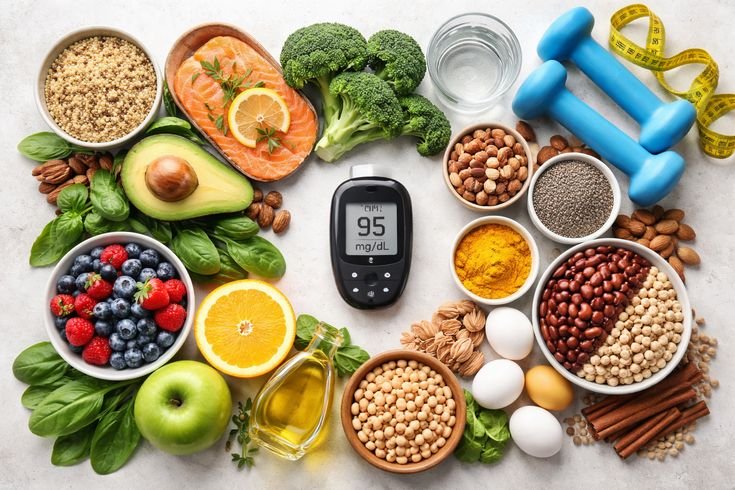
Normal Blood Sugar Levels by Age — Complete Chart
Blood sugar ranges don’t change dramatically by age for adults, but there are some differences worth knowing. Here’s a straightforward chart based on ADA guidelines:
Adults (18–64 years):
|
Category |
Fasting (mg/dL) |
2 Hours After Meal (mg/dL) |
|
Normal |
70–99 |
Below 140 |
|
Prediabetes |
100–125 |
140–199 |
|
Diabetes |
126 or higher |
200 or higher |
Seniors (65+ years):
|
Category |
Fasting (mg/dL) |
2 Hours After Meal (mg/dL) |
|
Normal |
70–100 |
Below 140 |
|
Prediabetes |
101–125 |
140–199 |
|
Diabetes |
126 or higher |
200 or higher |
Children (6–12 years):
|
Category |
Fasting (mg/dL) |
|
Normal |
70–100 |
|
Prediabetes |
101–125 |
|
Diabetes |
126 or higher |
Teens (13–17 years):
|
Category |
Fasting (mg/dL) |
|
Normal |
70–100 |
|
Prediabetes |
101–125 |
|
Diabetes |
126 or higher |
Important note: For seniors, some doctors allow slightly looser targets (like 70–110 mg/dL fasting) depending on overall health, other medications, and whether the person has had diabetes for many years. Always follow your own doctor’s specific recommendation
.
Fasting vs. After-Meal Blood Sugar — What’s the Difference?
These are two completely different measurements, and understanding both matters:
Fasting blood sugar is tested after not eating or drinking anything except water for at least 8 hours. Most people test this first thing in the morning before breakfast. This number tells you your baseline glucose level.
After-meal blood sugar (postprandial) is tested 2 hours after you start eating. This shows how well your body handles the glucose load from food. Even in a healthy person, blood sugar goes up after eating — but it should drop back below 140 mg/dL within 2 hours.
A common mistake people make: they eat breakfast, test their blood sugar 30 minutes later, see a number like 160 mg/dL, and panic. That’s actually normal at the 30-minute mark. The 2-hour mark is what really matters.
What Affects Your Blood Sugar Reading?
Several things can push your number up or down even if you’re perfectly healthy:
Things that raise blood sugar:
- Eating carbohydrates (bread, pasta, rice, sweets, fruit juice)
- Stress and anxiety — your body releases cortisol, which increases glucose
- Lack of sleep — even one night of poor sleep can raise fasting blood sugar
- Illness or infection — your body produces more glucose to fight off sickness
- Certain medications like steroids (prednisone, dexamethasone)
- Dehydration — less water means more concentrated blood sugar
Things that lower blood sugar:
Physical activity — even a 15-minute walk after meals can significantly lower post-meal glucose
Drinking water — staying hydrated helps your kidneys flush out excess sugar
Protein and healthy fats in your meal — they slow down carbohydrate absorption
Consistent meal timing — eating at regular intervals prevents spikes and crashes
How to Lower High Blood Sugar — Practical Steps
If your reading is higher than normal, here’s what actually helps (based on clinical evidence, not internet myths):
1. Go for a 15–20 minute walk
This is the fastest way to bring down post-meal blood sugar. Your muscles use glucose for energy during movement. Multiple studies show that walking after eating reduces blood sugar by an average of 20–30 mg/dL.
2. Drink a glass of water
Dehydration concentrates blood sugar. Drinking water helps dilute it and supports your kidneys in removing excess glucose through urine.
3. Check your meal
Was your last meal heavy on carbs? White bread, white rice, sugary drinks, and fruit juice cause rapid spikes. Next time, try replacing half your portion with vegetables or protein.
4. Don’t skip meals to “compensate”
Skipping meals actually makes blood sugar management worse. Your liver releases stored glucose when you don’t eat, which can raise your fasting number.
5. Manage stress
Deep breathing for 5 minutes, a short meditation, or even just stepping away from a stressful situation can help. Chronic stress keeps cortisol elevated, which keeps blood sugar elevated too.